Buy helicoptertours.eu ?
We are moving the project
helicoptertours.eu .
Are you interested in purchasing the domain
helicoptertours.eu ?
domain@kv-gmbh.de · 0541-91531010
Buy helicoptertours.eu ?
When does the monstera get aerial roots?
The monstera plant typically develops aerial roots when it is seeking additional support or nutrients. This can happen when the plant is growing in a natural environment where it needs to climb or attach itself to trees or other structures. In indoor settings, monstera plants may also develop aerial roots if they are not getting enough support or if they are not receiving adequate nutrients from the soil. **
How do you plant Monstera aerial roots?
To plant Monstera aerial roots, you can simply bury them in the soil of the plant's pot. Gently push the roots into the soil, making sure they are covered and supported by the soil. You can also use a stake or moss pole to help support the aerial roots as they grow. Keep the soil consistently moist to encourage the roots to grow and establish themselves in the pot. **


Similar search terms for Monstera
Top-Angebote
Products related to Monstera:
-
Nearly Natural 6' Monstera Artificial TreeKnown as the swiss cheese plant, this trendy and modern plant gets a monster artificial makeover. Inspired by its native tropical habitat, large, glossy leaves with holes on them descend from brown, maturing trunks.160,43 $*Shipping: 0,00 $Secure redirect to the provider
-
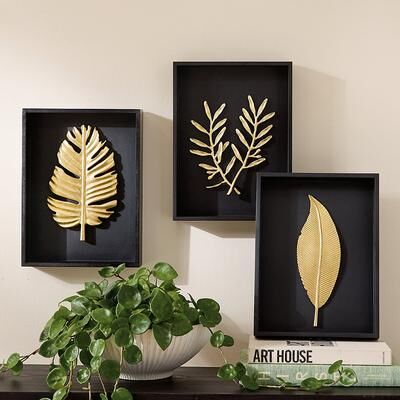
Metal Leaf Shadow Box - Monstera - Grandin Road3 different leaves in black shadow boxes: monstera, olive, and rhododendron . Sand-casted leaves with a metal textured finish on black background . Framed with matte black finish . Hang with sawtooth hangers . Wipe clean with a soft, dry cloth; do...74,25 $*Shipping: 14,95 $Secure redirect to the provider
-
Seabrook Designs Tarra Monstera Leaf Unpasted WallpaperExuberant and relaxed all at once, this bold and bright Tarra Monstera Leaf unpasted wallpaper pattern from the Summer House collection by Seabrook Designs exudes style with its detailed yet subtle linework.151,20 $*Shipping: 0,00 $Secure redirect to the provider



-
Why does the aerial root of the Monstera mold?
The aerial roots of Monstera plants can mold due to high humidity levels and poor air circulation around the plant. When the aerial roots are constantly moist and in a humid environment, mold spores can easily develop and grow on their surface. To prevent mold growth on the aerial roots, it is important to ensure proper air circulation, avoid overwatering the plant, and maintain moderate humidity levels. Regularly inspecting the plant and removing any moldy areas can also help prevent further mold growth. **
-
Are the aerial roots of Monstera cuttings still too small?
It is possible that the aerial roots of Monstera cuttings are still too small, especially if the cutting is relatively new. Aerial roots typically develop over time as the cutting establishes itself and grows. If the aerial roots are small, it may indicate that the cutting is still in the process of establishing itself and may need more time to develop before being ready for planting in soil. It is important to give the cutting time to grow and develop before transplanting it into a larger pot. **
-
How do you put Monstera cuttings with aerial roots into water?
To put Monstera cuttings with aerial roots into water, you will need a clean glass or jar filled with room temperature water. Gently place the cutting into the water, making sure that the aerial roots are submerged. You can use a clear glass or jar to monitor the growth of the roots. Place the cutting in a well-lit area, but not in direct sunlight, and change the water every 1-2 weeks to keep it fresh. After a few weeks, you should start to see new roots growing from the aerial roots, and eventually, the cutting can be potted in soil once the roots are well established. **
-
How do you put Monstera cuttings with aerial roots in water?
To put Monstera cuttings with aerial roots in water, you will need a clean glass or jar filled with room temperature water. Gently place the cutting in the water, making sure the aerial roots are submerged. It's important to change the water every few days to prevent bacteria growth and ensure the roots stay healthy. Place the glass or jar in a location with indirect sunlight to encourage root growth. **

Why does the aerial root of the Monstera deliciosa develop mold?
The aerial roots of Monstera deliciosa can develop mold due to the high humidity and moisture levels in their natural tropical environment. These conditions create a favorable environment for mold growth. Additionally, the aerial roots provide a surface for mold spores to land and grow. To prevent mold growth, it is important to ensure proper air circulation and avoid overwatering the plant. Regularly wiping the aerial roots with a damp cloth can also help prevent mold from developing. **
What is the difference between Monstera deliciosa and Monstera pertusum?
Monstera deliciosa and Monstera pertusum are actually the same plant. Monstera pertusum is the former scientific name for this species, and Monstera deliciosa is the current accepted name. The plant is commonly known as the Swiss cheese plant due to the holes and splits in its leaves, and it is a popular houseplant known for its unique foliage. Therefore, there is no actual difference between Monstera deliciosa and Monstera pertusum, as they refer to the same plant. **
Top-Angebote
Products related to Monstera:
-
Nearly Natural 6' Monstera Artificial TreeKnown as the swiss cheese plant, this trendy and modern plant gets a monster artificial makeover. Inspired by its native tropical habitat, large, glossy leaves with holes on them descend from brown, maturing trunks.160,43 $*Shipping: 0,00 $Secure redirect to the provider
-
Metal Leaf Shadow Box - Monstera - Grandin Road3 different leaves in black shadow boxes: monstera, olive, and rhododendron . Sand-casted leaves with a metal textured finish on black background . Framed with matte black finish . Hang with sawtooth hangers . Wipe clean with a soft, dry cloth; do...74,25 $*Shipping: 14,95 $Secure redirect to the provider
-
When does the monstera get aerial roots?
The monstera plant typically develops aerial roots when it is seeking additional support or nutrients. This can happen when the plant is growing in a natural environment where it needs to climb or attach itself to trees or other structures. In indoor settings, monstera plants may also develop aerial roots if they are not getting enough support or if they are not receiving adequate nutrients from the soil. **
-
How do you plant Monstera aerial roots?
To plant Monstera aerial roots, you can simply bury them in the soil of the plant's pot. Gently push the roots into the soil, making sure they are covered and supported by the soil. You can also use a stake or moss pole to help support the aerial roots as they grow. Keep the soil consistently moist to encourage the roots to grow and establish themselves in the pot. **
-
Why does the aerial root of the Monstera mold?
The aerial roots of Monstera plants can mold due to high humidity levels and poor air circulation around the plant. When the aerial roots are constantly moist and in a humid environment, mold spores can easily develop and grow on their surface. To prevent mold growth on the aerial roots, it is important to ensure proper air circulation, avoid overwatering the plant, and maintain moderate humidity levels. Regularly inspecting the plant and removing any moldy areas can also help prevent further mold growth. **
-
Are the aerial roots of Monstera cuttings still too small?
It is possible that the aerial roots of Monstera cuttings are still too small, especially if the cutting is relatively new. Aerial roots typically develop over time as the cutting establishes itself and grows. If the aerial roots are small, it may indicate that the cutting is still in the process of establishing itself and may need more time to develop before being ready for planting in soil. It is important to give the cutting time to grow and develop before transplanting it into a larger pot. **
Similar search terms for Monstera
-
Seabrook Designs Tarra Monstera Leaf Unpasted WallpaperExuberant and relaxed all at once, this bold and bright Tarra Monstera Leaf unpasted wallpaper pattern from the Summer House collection by Seabrook Designs exudes style with its detailed yet subtle linework.151,20 $*Shipping: 0,00 $Secure redirect to the provider
-
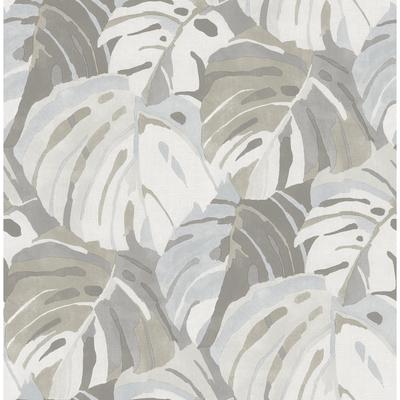
A-Street Prints Samara Stone Monstera Leaf WallpaperUnwind under a canopy of tropical leaves with this tranquil botanical design. Overlapping monstera leaves inked in shades of grey, blue and white help create the perfect retreat in your home. Samara is an unpasted, non woven wallpaper.119,24 $*Shipping: 0,00 $Secure redirect to the provider
-
How do you put Monstera cuttings with aerial roots into water?
To put Monstera cuttings with aerial roots into water, you will need a clean glass or jar filled with room temperature water. Gently place the cutting into the water, making sure that the aerial roots are submerged. You can use a clear glass or jar to monitor the growth of the roots. Place the cutting in a well-lit area, but not in direct sunlight, and change the water every 1-2 weeks to keep it fresh. After a few weeks, you should start to see new roots growing from the aerial roots, and eventually, the cutting can be potted in soil once the roots are well established. **
-
How do you put Monstera cuttings with aerial roots in water?
To put Monstera cuttings with aerial roots in water, you will need a clean glass or jar filled with room temperature water. Gently place the cutting in the water, making sure the aerial roots are submerged. It's important to change the water every few days to prevent bacteria growth and ensure the roots stay healthy. Place the glass or jar in a location with indirect sunlight to encourage root growth. **
-
Why does the aerial root of the Monstera deliciosa develop mold?
The aerial roots of Monstera deliciosa can develop mold due to the high humidity and moisture levels in their natural tropical environment. These conditions create a favorable environment for mold growth. Additionally, the aerial roots provide a surface for mold spores to land and grow. To prevent mold growth, it is important to ensure proper air circulation and avoid overwatering the plant. Regularly wiping the aerial roots with a damp cloth can also help prevent mold from developing. **
-
What is the difference between Monstera deliciosa and Monstera pertusum?
Monstera deliciosa and Monstera pertusum are actually the same plant. Monstera pertusum is the former scientific name for this species, and Monstera deliciosa is the current accepted name. The plant is commonly known as the Swiss cheese plant due to the holes and splits in its leaves, and it is a popular houseplant known for its unique foliage. Therefore, there is no actual difference between Monstera deliciosa and Monstera pertusum, as they refer to the same plant. **
* All prices are inclusive of VAT and, if applicable, plus shipping costs. The offer information is based on the details provided by the respective shop and is updated through automated processes. Real-time updates do not occur, so deviations can occur in individual cases. ** Note: Parts of this content were created by AI.